Corporate Gifts
Personalised Corporate Gifts: How to Get Them Right
Part of our Corporate Gifts guide →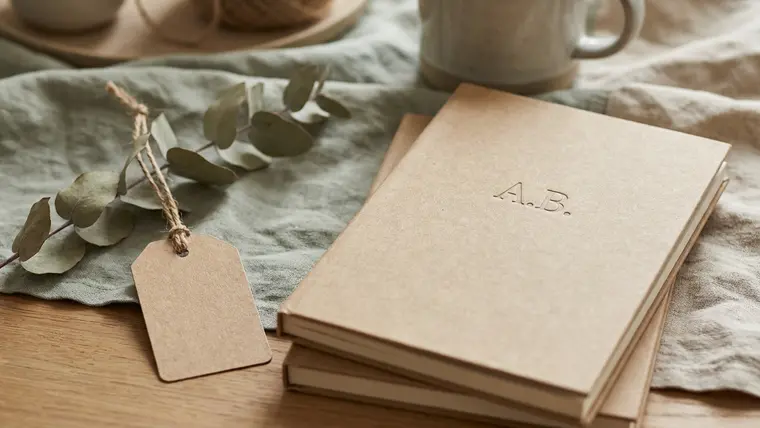
Personalised corporate gifts are gifts customised for the people receiving them, either with your company branding or with something personal to the recipient, like their name or initials. The first kind builds your brand; the second makes someone feel seen, and for employee gifts it usually wins. This guide explains the branding methods in plain language (screen printing, embroidery, engraving, embossing and debossing), which products take a logo well, when a name beats a logo, and the design rules that keep a personalised gift on a desk rather than in a drawer. By the end, choosing should feel simple; the actual work, from design to mockup, can be done for you.
What are personalised corporate gifts?
Personalised corporate gifts come in two kinds, and the difference matters more than most catalogues let on. The first is company branding: your logo or mark applied to a product, so a bottle, notebook or tote carries your identity. This suits client gifts, event giveaways and welcome packs, where the gift quietly represents the business. The second is recipient-level personalisation: the person's own name, initials or role on the item, so the gift belongs to them and only them. This is the version that makes employees feel genuinely seen, because nobody else has one. Some people call these custom corporate gifts or customised corporate gifts; the labels blur, but the choice underneath stays the same. Decide first whether the gift is about your brand or about the person, then pick the method and the product to match. The rest of this guide makes both routes easy.
Which branding methods should you know?
Five methods cover almost everything, and each has a personality. Screen printing pushes ink through a stencil onto the surface; it is bright, bold and great for totes and packaging, though heavy use can fade a print over years of washing. Embroidery stitches the design in thread, which suits knitwear, caps and bags; it has texture, feels premium and ages gracefully because thread outlasts ink. Engraving cuts the mark into metal or wood, so it can never rub off; it is the natural choice for bottles, pens and anything that gets daily handling. Embossing raises the design out of the surface, while debossing presses it in; both are quiet, tactile and lovely on notebooks and leather goods. A useful rule: ink for colour and impact, thread for warmth, engraving for permanence, embossing and debossing for understatement. Match the method to the material and the gift looks intentional rather than decorated.
What should you personalise, and what should you skip?
Some products take personalisation beautifully and some fight it. Reusable bottles are the reliable star, since an engraved mark on metal looks sharp and survives daily use. Notebooks suit embossing or debossing, where a quiet mark on the cover reads as quality rather than advertising. Totes love a screen print, because the flat fabric gives the design room to breathe. Knitwear and caps were made for embroidery; the stitching adds texture rather than cheapening the item. On the other side, avoid personalising anything glossy, curved and cheap, where a logo tends to look stuck on, and be wary of items with tiny printable areas that force your design into a smudge. The honest test is whether the product would be worth giving unmarked. If the item is good before the logo arrives, personalisation lifts it. If the item is poor, no method can rescue it.
Logo or the recipient's name: which works better?
For employee gifts, the recipient's name usually beats the logo, and it is not close. Your team already knows where they work; a giant logo on their notebook tells them nothing, but their own name in a quiet deboss makes the gift theirs alone. That single change moves an item from company merchandise to a personal possession, and personal possessions get kept. For client gifts, the logic flips toward restraint. The relationship is the point, so a small tonal mark, or none at all with the branding carried by the packaging and the note, lands better than anything that doubles as advertising. Event swag is the one setting where a clear logo earns its keep, since the item works as a reminder of where it came from. A simple way to decide: the more personal the occasion, the smaller the logo and the bigger the person.
What design rules keep personalised gifts kept?
The personalised corporate gifts that stay on desks follow a few quiet rules. Keep the mark small; a logo the size of a thumbprint reads as confidence, while one the size of a fist reads as a billboard. Use tonal colours, meaning a shade close to the product itself, such as navy thread on a navy jumper or a blind deboss on kraft, because tone-on-tone looks designed rather than applied. Place the mark where the eye expects detail: the chest pocket area, the bottom corner of a notebook, the base of a bottle. And always let the item look good first and on-brand second, since people keep things they would have chosen themselves. None of this requires design skills on your side. Our in-house team handles placement, sizing and colour matching for free, and you see exactly how it sits in a mockup before anything is made.
How do you go from idea to mockup in 24 hours?
You do not need to arrive with a finished design, or any design at all. Tell us who the gifts are for, the occasion and roughly how many you need, and our in-house team designs the personalisation for you at no charge. Free mockups arrive within 24 hours, along with a clear quote in the same window, so you can see your logo or your colleagues' names on the actual products before committing a penny. Choose from 200+ products, ready-made or fully bespoke, and because we source worldwide on a best-value basis, the personalised version costs less than the agency route. Once you approve, we produce, then store your gifts free for up to three months and ship worldwide, to one office or to individual home addresses. Everything goes out in recyclable packaging, with eco product options available if you want them. The only decision left is whose name goes on what.